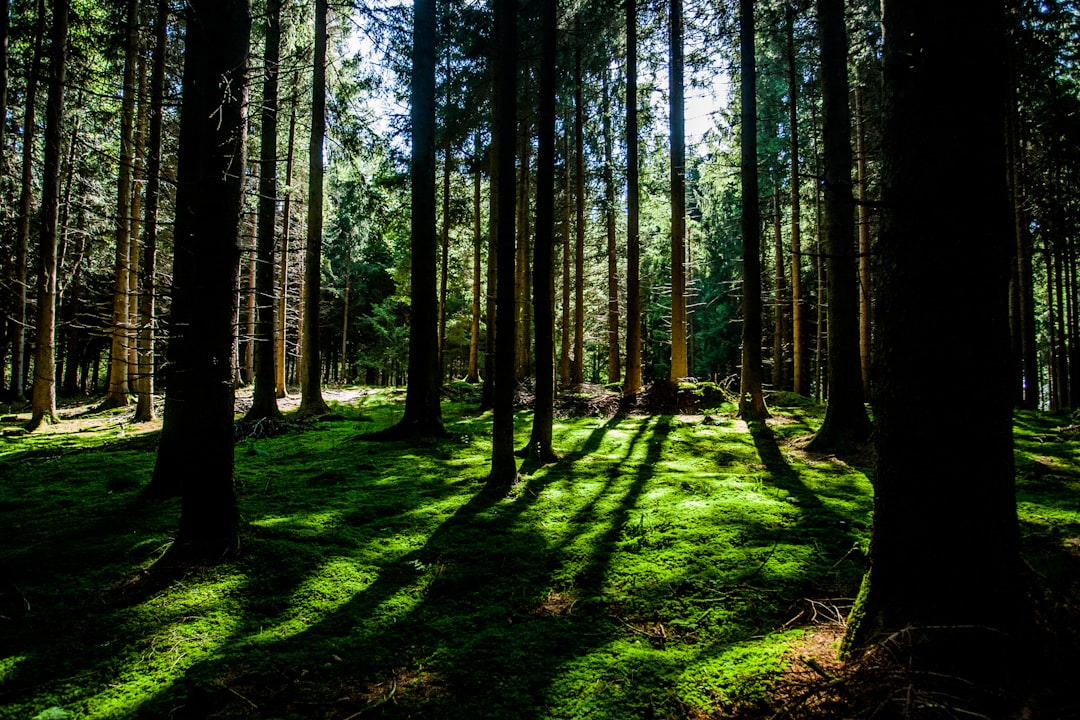
Rainy seasons bring both blessings and challenges to gardeners. While abundant moisture is critical for plant growth, excessive rainfall can cause problems such as root rot, nutrient leaching, and pest outbreaks. This comprehensive guide offers homeowners and urban gardeners practical strategies to maintain healthy, vibrant gardens during wet seasons. Emphasizing the sustainable use of rainwater for irrigation and expert care tips, we help you transform potential rainy day setbacks into opportunities for thriving green spaces.
Understanding the Impact of Rainy Seasons on Gardens
Effects of Excess Water on Plant Health
Plants need water to survive, but too much can saturate the soil and suffocate roots by limiting oxygen availability, leading to root rot. Nutrients, particularly nitrogen, can also leach away with heavy rains, diminishing soil fertility. Pests and fungal diseases often flourish in damp conditions, making preventative care vital. Recognizing these effects allows you to prepare a tailored maintenance routine for your garden during wet months.
Seasonal Gardening: Timing Your Care Strategies
Seasonal gardening means adjusting your practices according to weather patterns. During rainy seasons, focus on pruning dead or overcrowded foliage and improving soil drainage before the rains intensify. For more on adaptive gardening techniques year-round, explore our detailed seasonal gardening guidance.
Urban Gardening Challenges and Opportunities in Rainy Seasons
Urban gardens often deal with limited space and soil compaction, which rainwater can exacerbate. However, rainy seasons also present unique chances to harvest rainwater for irrigation and enrich soil organically. Implementing smart water management strategies can especially benefit city gardeners seeking sustainable growth with minimal fuss.
Optimizing Soil and Drainage for Wet Season Success
Improving Soil Structure to Prevent Waterlogging
Heavy rains can create compacted, waterlogged soils harmful to roots. Amending soil with organic matter such as compost or well-rotted manure boosts aeration and drainage. Raised beds offer an excellent solution for optimal root health in heavy rainfall by elevating plants above saturated ground. To learn about smart garden bed setups, visit our guide on raised garden bed ideas.
Installing Effective Drainage Systems
Proper drainage redirects excess water and prevents garden flooding. Options include French drains, dry wells, and rain gardens designed to absorb runoff. Strategic grading of your yard can help channel water away from vulnerable plants and structures. For detailed installation steps on water management solutions, check out water management strategies.
Mulching to Protect Soil and Regulate Moisture
Applying a 2-3 inch layer of organic mulch, such as bark chips or straw, protects soil from erosion, moderates moisture levels, and inhibits weed growth during heavy rains. Mulching enhances soil life biodiversity and nutrient retention, essential for plant vigor in seasonally wet climates.
Harnessing Rainwater for Sustainable Irrigation
Benefits of Rainwater Irrigation
Rainwater is naturally soft, free of salts and chemicals found in tap water, making it ideal for irrigation. Using rainwater reduces dependence on municipal supplies, lowers water bills, and supports sustainable gardening practices. To explore sustainable irrigation types, refer to our article on smart irrigation solutions.
Setting Up Rainwater Harvesting Systems
Collect rainwater using gutters, downspouts, and storage tanks or barrels. Position rain barrels at downspouts to catch runoff, equipped with first-flush diverters to channel away debris. Use secure covers to prevent mosquito breeding. For larger-scale collection, cisterns connected to garden irrigation can supply significant volumes.
Integrating Rainwater with Smart Water Controls
Combine harvested rainwater storage with smart irrigation controllers and moisture sensors to automate watering efficiently. This avoids overwatering and adjusts irrigation schedules based on rainfall and soil moisture data. For a comprehensive primer, see our guide on integrating smart irrigation controls.
Plant Selection and Placement for Wet Season Resilience
Choosing Water-Tolerant and Native Plants
Opt for native species that naturally endure your region's wet conditions. Plants such as sedges, ferns, and certain ornamental grasses tolerate waterlogged soils better than many exotics. These species often require less maintenance and pest control during rainy months.
Designing for Proper Air Circulation and Sunlight
Arrange plants to avoid overcrowding, which can promote fungal disease in humid conditions. Allow airflow by spacing plants well and pruning lower branches. Maximize sunlight exposure to aid drying and boost photosynthesis, helping plants resist pathogens.
Utilizing Containers and Vertical Gardens
Urban gardeners benefit from container gardens and vertical structures, which provide better drainage control and reduce soil erosion risk. Containers also allow mobility to shift plants under shelter during extreme storms or prolonged wet spells. Learn more in our article on urban gardening tips.
Proactive Maintenance and Disease Prevention
Regular Inspection and Pruning Practices
Inspect plants frequently during the rainy season for early signs of rot, mold, or pest infestation. Remove diseased foliage promptly and thin dense growth to improve air circulation. Proper pruning reduces infection potential and encourages healthy development.
Preventing and Managing Fungal Diseases
Use organic fungicides such as neem oil or copper sprays as preventative measures. Ensure garden tools are sanitized to avoid spreading pathogens. Implement crop rotation and interplanting strategies to reduce disease buildup in soil.
Protecting Soil From Erosion and Compaction
Walking paths should be lightly mulched or covered with permeable pavers to minimize soil compaction. Encourage ground cover plants, which bind soil and reduce runoff. Address any puddling promptly by improving drainage or amending soil.
Smart Water Management Strategies for the Rainy Season
Monitoring Soil Moisture Accurately
Use inexpensive soil moisture meters or smart sensors to gauge real-time moisture levels. Avoid watering when soil is already moist, preventing root suffocation and unnecessary water use. For advanced gardening tech recommendations, see garden tech tools for smart homeowners.
Adjusting Irrigation Schedules Based on Rainfall
Leverage weather forecast apps and irrigation controllers to adapt schedules dynamically. Switch off irrigation on rainy days or reduce watering duration to prevent overhydration. A flexible system streamlines garden maintenance effort and water efficiency.
Implementing Drip Irrigation During Wet Seasons
Drip irrigation delivers water precisely to roots and limits surface wetness, cutting fungal risks. It is an excellent complement to rainwater harvesting, maximizing hydration while minimizing runoff. To explore installation methods, visit our detailed drip irrigation guide at how to install drip irrigation.
Using Rainwater Effectively: Practical Tips and Tools
Distributing Stored Rainwater
Use watering cans or gravity-fed hose systems to irrigate plants with harvested rainwater. For larger gardens, pumps connected to storage tanks can distribute water via drip lines or sprinklers. Keep storage containers clean to prevent contamination and odors.
Maximizing Rainwater Use Efficiency
Water early in the day to reduce evaporation losses and fungal risks; evenings may retain moisture too long. Target watering at root zones and avoid foliage irrigation during wet weather. Employ moisture sensors to automate irrigation precisely.
Maintaining Rainwater Harvesting Equipment
Regularly inspect gutters, screens, and barrels to remove debris and prevent clogging. Clean tanks periodically and ensure outlets and overflow structures function properly to avoid water stagnation or damage.
Comparison Table: Traditional Irrigation vs. Rainwater Irrigation in Wet Seasons
| Feature | Traditional Irrigation | Rainwater Irrigation |
|---|---|---|
| Water Source | Municipal or well water | Collected rainwater |
| Water Quality | May contain chlorine or salts | Soft, free of chemicals |
| Cost | Ongoing water bills | Low operating cost after setup |
| Environmental Impact | Potential overuse of municipal supply | Supports sustainable use and conservation |
| Suitability in Wet Seasons | Risk of overwatering if ignoring rainfall | Balances natural precipitation with irrigation |
Frequently Asked Questions
How do I know when to water my garden during the rainy season?
Use a soil moisture meter or smart sensor to check if the soil is still moist. Avoid watering if the ground is saturated to prevent root rot. Leveraging weather forecasts for rain predictions also helps adjust irrigation schedules effectively.
Can I use rainwater directly from my roof for vegetable gardens?
Yes, but ensure your roof and gutters are clean and free from contaminants. Use screens to filter out debris and consider first-flush devices to divert initial dirty runoff. Rainwater is usually safe for garden plants but avoid direct use if your roof has lead-based paint or harmful chemicals.
What are the best plants to grow during wet seasons?
Choose native or water-tolerant species like ferns, hostas, and sedges. These plants are adapted to moist soils and resist fungal diseases better. For urban gardeners, container-friendly plants with good drainage help prevent soggy roots.
How do I prevent fungal diseases during prolonged wet weather?
Maintain good air circulation by pruning overcrowded areas, remove infected plant material quickly, and apply organic fungicides preventatively. Also, avoid overhead irrigation and water early in the day to allow foliage to dry before nightfall.
Is it worth investing in smart irrigation systems for rainy seasons?
Absolutely. Smart controllers and moisture sensors optimize water usage by adjusting schedules to weather conditions. Integrating these systems with rainwater harvesting enhances sustainability and reduces labor and costs. Read our insights on smart irrigation for homeowners to learn more.
Pro Tip: Integrating rainwater harvesting with drip irrigation and smart moisture sensors can cut your irrigation water use by up to 50%, significantly lowering bills and protecting plant health.
Conclusion
Rainy seasons require thoughtful garden management to balance abundant moisture with healthy growing conditions. By improving soil drainage, selecting water-tolerant plants, harnessing rainwater effectively, and employing smart irrigation technology, you can create sustainable, lush outdoor spaces that thrive regardless of the weather. For homeowners and urban gardeners looking to optimize garden health during wet months, these strategies offer practical, expert advice that turns a rainy day into a flourishing one.
Related Reading
- Raised Garden Bed Ideas - Learn how to build raised beds for healthier plants and better drainage.
- Seasonal Gardening Tips for Homeowners - Adjust your gardening calendar with expert seasonal care advice.
- Smart Irrigation Solutions - Discover technology to automate and optimize your garden watering.
- Water Management Strategies - Techniques for managing water efficiently in your yard and lawn.
- Urban Gardening Tips for Small Spaces - Maximize limited space with container and vertical garden ideas.