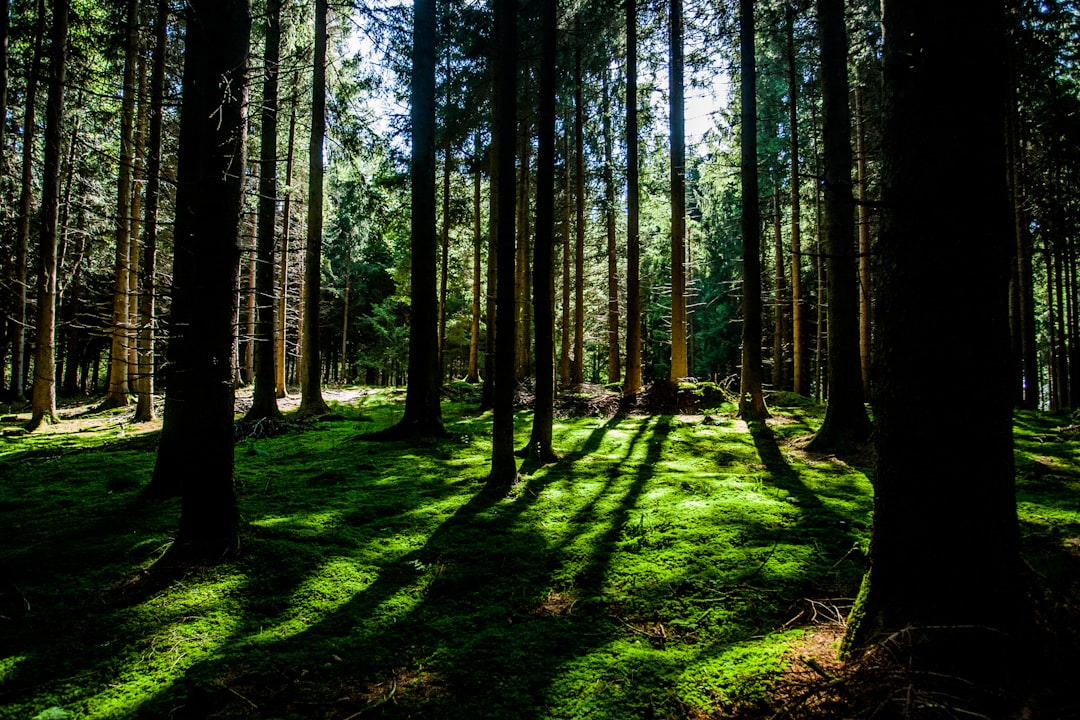
If you want backyard privacy without relying on a fence alone, the right plants can create a softer, more natural screen while also adding shade, habitat, and year-round structure. This guide compares backyard privacy plants by climate, growth habit, maintenance level, and common backyard constraints so you can choose screening plants that fit your space now and still make sense a few seasons from now.
Overview
Privacy planting works best when you treat it as a design decision, not just a shopping list. Some of the fastest growing privacy plants fill in quickly but need regular pruning. Others take longer to establish yet become more durable, drought-tolerant, or lower maintenance over time. The best plants for privacy depend on four variables: your climate, the amount of sun in the planting area, how much space you can give roots and mature width, and how formal or natural you want the screen to look.
In practical terms, most backyard privacy plants fall into five groups:
- Evergreen hedges for consistent year-round screening.
- Clumping grasses for fast seasonal height and movement.
- Bamboo and bamboo-like screens where narrow space and quick cover matter.
- Flowering shrubs and small trees for a looser, more garden-centered screen.
- Mixed borders that layer several plant types for better resilience and a less rigid look.
If your goal is immediate privacy, it helps to be realistic. A plant label may sound fast, but even fast growing privacy plants still need time to root in, especially in dry climates or poor soil. For many yards, the smartest approach is a layered screen: install the tallest structural plants first, then fill the gaps with medium shrubs, ornamental grasses, or a trellis while the main planting matures.
Climate should lead every decision. A privacy hedge that performs well in a humid region may struggle in an arid yard with reflected heat. Likewise, a broadleaf evergreen that looks dense in a mild winter climate may thin out or suffer damage where cold winds are common. Before choosing anything, confirm your USDA zone and local conditions. If you need a refresher, see USDA Hardiness Zone Map Explained for Home Gardeners.
How to compare options
The easiest way to compare screening plants for backyard use is to judge them on performance traits rather than appearance alone. A plant can look ideal in a nursery pot and still be a poor fit beside a patio, pool, narrow side yard, or small property line.
1. Start with the type of privacy you actually need
Ask whether you need full visual blockage, partial screening, or a softer sense of enclosure. A dense evergreen hedge suits close neighbors and direct sightlines. A more open planting can work if the real goal is to make a seating area feel tucked in rather than fully hidden.
- Full screen: dense evergreens, layered shrubs, closely spaced clumping plants.
- Filtered screen: grasses, multi-stem shrubs, small trees with underplanting.
- Seasonal screen: deciduous shrubs or warm-season grasses in mild or low-use spaces.
2. Compare mature size, not just planting size
Many privacy mistakes come from underestimating width. A plant listed at 8 to 12 feet wide may be too large for a 4-foot side yard even if its current container seems manageable. Mature width affects pruning workload, airflow, and how close you can plant to fences, paving, and foundations.
For small backyard design, narrow upright forms often work better than broad mounding shrubs. In larger yards, wider plants can create a fuller screen with fewer individual plants.
3. Look at growth rate with maintenance in mind
Fast growth is useful, but it often brings more trimming, more water during establishment, or a shorter interval before plants outgrow their spot. Slow to moderate growers can be a better long-term value if you want a tidy screen with less upkeep.
A helpful way to think about it:
- Fast growth: faster privacy, more pruning, more monitoring.
- Moderate growth: steadier shape, easier long-term management.
- Slow growth: best where space is tight and a refined form matters more than quick coverage.
4. Match the plant to your climate pattern
Use broad climate groups as your first filter:
- Hot arid and semi-arid: prioritize water-wise landscaping, heat tolerance, and low humidity resilience.
- Humid subtropical and warm temperate: choose plants with good disease resistance and airflow tolerance.
- Cold winter climates: look for winter hardiness, branch strength, and recovery from freeze-thaw cycles.
- Mild coastal climates: consider wind, salt exposure, and year-round growth habits.
If reducing irrigation matters, pair your choices with the principles in Drought-Tolerant Plants for Full Sun, Shade, and Containers.
5. Think beyond leaves
The most useful backyard ideas combine screening with other functions. Privacy plants can also support pollinators, reduce glare, soften noise, define outdoor rooms, and improve the view from indoors. Flowering native shrubs, for example, may not create an instant solid wall, but they can offer habitat value and a more layered look than a single-species hedge. If that matters to you, explore regionally appropriate options in Native Plants by State for Low-Maintenance Home Landscapes and How to Start a Pollinator Garden: Plant Lists by Region.
Feature-by-feature breakdown
This section compares the main types of privacy hedge plants by climate and use case. Think of these as screening categories first, then narrow to specific plants that fit your region and site.
Evergreen hedges
Best for: year-round privacy, formal lines, property edges, pool or patio screening.
Strengths: Evergreen hedges are the most dependable choice when you need consistent coverage in every season. They suit both traditional and modern garden design ideas depending on whether you shear them tightly or let them grow into a softer form.
Watch for: Overplanting, crowding against fences, and choosing a species that is common locally but poorly adapted to your exact conditions.
Climate notes:
- Cold climates: Look for hardy conifers and broadleaf evergreens known to tolerate winter exposure.
- Humid climates: Favor selections with strong disease resistance and room for airflow.
- Dry climates: Seek water-wise evergreens once established rather than thirsty hedge species.
- Mild climates: Many evergreens grow well, but pruning discipline matters because growth can be nearly year-round.
Good fit if you want: the clearest visual separation and a reliable backdrop for patio decor ideas, seating, or outdoor dining zones.
Clumping ornamental grasses
Best for: quick seasonal height, softer privacy, modern landscapes, narrow beds.
Strengths: Grasses are among the most useful fast growing privacy plants when you want movement, sound, and texture rather than a rigid hedge. Many varieties handle heat well and can fit into eco-friendly garden ideas with relatively simple care.
Watch for: Winter dieback in colder regions, seasonal cutback needs, and selecting spreaders where a clumping habit is safer.
Climate notes:
- Hot sunny climates: Many grasses perform well with proper establishment watering.
- Cold climates: Select hardy types that hold structure into winter if year-round interest matters.
- Humid climates: Give them airflow and avoid overcrowding.
Good fit if you want: privacy around a patio or deck without making the yard feel boxed in.
Bamboo and other narrow screening plants
Best for: tight side yards, fast height, contemporary spaces, screening upper-story views.
Strengths: This category appeals to homeowners who need vertical screening in a small footprint. In the right setting, it can solve a difficult narrow-space problem better than broad shrubs.
Watch for: Running habits in some bamboo types, root management, and local suitability. In many home landscapes, clumping forms or non-bamboo upright alternatives are easier to manage.
Climate notes:
- Mild to warm climates: Often easiest for these plants.
- Cold climates: Check winter hardiness carefully before planting.
- Dry climates: Some options may need more regular irrigation than expected.
Good fit if you want: screening plants for backyard edges where bed depth is limited.
Flowering shrubs and mixed shrub screens
Best for: a softer, more residential look; pollinator value; seasonal interest.
Strengths: A mixed shrub border often outperforms a single-species hedge in visual interest and resilience. If one plant struggles in a difficult season, the whole screen usually still functions. This is also one of the best strategies for sustainable backyard living because it supports biodiversity and often adapts better to changing conditions.
Watch for: Deciduous gaps in winter, uneven growth rates, and looser screening than an evergreen wall.
Climate notes:
- Humid climates: Mixed plantings can reduce the all-or-nothing risk of disease issues.
- Cold climates: Use branchy shrubs that keep enough framework for winter screening.
- Dry climates: Lean into native and regionally adapted flowering shrubs for lower water use.
Good fit if you want: backyard privacy plants that double as habitat, bloom, and structure.
Small trees with understory planting
Best for: blocking second-story views, creating shade, and defining outdoor rooms.
Strengths: Small trees can solve privacy problems shrubs cannot. They raise the canopy, cast shade, and make outdoor living ideas feel established. Adding lower shrubs or grasses beneath them creates a layered screen from the ground up.
Watch for: Slow establishment, root competition with turf, and poor placement too close to foundations or hardscape.
Climate notes: Choose trees known to perform in your region and microclimate rather than relying on a generic “privacy tree” label.
Good fit if you want: coverage for overlooking windows, not just fence-line privacy.
Mixed screens for low-water and low-maintenance yards
Best for: long-term resilience, naturalistic planting, reduced irrigation after establishment.
Strengths: Instead of one hedge plant repeated in a line, this approach combines evergreen anchors, drought-tolerant shrubs, and perhaps a grass or ground cover layer. It often looks more intentional and less brittle over time, especially in climates with heat, wind, or variable rainfall.
Watch for: More planning upfront. You need to think in layers, heights, and spacing.
Good fit if you want: low maintenance landscaping ideas that still deliver privacy.
Best fit by scenario
The right privacy planting becomes clearer once you match it to a specific backyard problem.
For a small backyard
Choose upright or columnar plants, narrow clumping grasses, or espaliered screening against a fence. Avoid shrubs that mature much wider than the bed. In small spaces, one oversized hedge can make the yard feel tighter rather than more private.
For a patio or seating area
Focus on comfort as much as screening. Soft-textured shrubs and grasses usually feel better near seating than stiff or spiny plants. If the area gets intense afternoon sun, combine privacy plants with backyard shade ideas such as a pergola or small tree. The goal is enclosure without trapping heat.
For dry climates and water-wise landscapes
Favor regionally adapted shrubs, durable evergreens, and layered planting that can transition to deeper, less frequent watering after establishment. Mulch helps reduce evaporation and weeds; see Mulch Calculator and Mulch Depth Guide for Garden Beds if you are planning a larger bed.
For pollinator-friendly privacy
Build a mixed border using native plants for pollinators where possible, then add one or two evergreen anchors for winter structure. This approach may not create an instant solid wall, but it offers habitat value and a more balanced garden feel.
For fast results on a new property line
Use a phased plan. Start with the main screening plants at proper spacing, then add temporary fillers such as annual vines on trellises, ornamental grasses, or container groupings near the patio. This gives you function now without forcing hedge plants too close together.
For a fence that still feels exposed
A fence alone often solves the lower sightline but not views from neighboring windows. In that case, combine a fence with taller shrubs or small trees set a little forward from the boundary. The added depth makes the edge feel greener and more private.
For renters or flexible layouts
If permanent planting is limited, use large containers with upright evergreens, grasses, or trellised vines to build a movable screen. This works especially well for patios and decks. It is not a substitute for in-ground hedging, but it can noticeably improve comfort and privacy.
For low-effort maintenance
Pick moderate growers instead of the absolute fastest growers. Give them enough room at planting, use mulch, and install simple irrigation if summers are dry. A slightly slower plant in the right place usually creates fewer headaches than a fast plant that needs constant correction.
When to revisit
Privacy planting is one of those garden decisions worth revisiting as conditions change. Come back to your plan when any of the following shifts:
- Your yard use changes. A play area may become a dining space, office view, or hot tub zone with different screening needs.
- Light changes. A neighboring tree comes down, a new structure creates shade, or a formerly sunny fence line becomes mixed light.
- Water priorities change. If you want to reduce outdoor water use, reassess whether your screen should include more drought-adapted plants.
- Plants begin to outgrow the space. This is the moment to edit, thin, or re-layer before the bed turns into a maintenance burden.
- New plant options become available locally. Nurseries often carry better climate-adapted choices over time, including native shrubs and improved hedge forms.
To keep your screen successful, use this simple action plan:
- Measure the bed depth, length, and sun exposure before buying anything.
- Check your USDA zone and note any microclimate issues such as reflected heat, wind, or poor drainage.
- Choose one main structural plant category: evergreen hedge, grass screen, mixed shrub border, or layered small-tree screen.
- Add one secondary layer for resilience and better visual coverage.
- Mulch after planting and water consistently through the establishment period.
- Review the screen once or twice a year for spacing, shape, and irrigation adjustments.
If you are planning a larger landscape refresh, it also helps to coordinate privacy plantings with adjacent beds, ground covers, and seasonal tasks. Related guides on Wooterra include Best Ground Covers for Slopes, Shade, and Low-Water Yards and Monthly Garden Checklist by Zone: What to Plant and Do Each Month.
The most durable privacy screen is rarely the fastest or the most uniform. It is the one that fits your climate, your maintenance tolerance, and the way you actually use the yard. Start with those constraints, and the right plants become much easier to compare.